Friday, April 15, 2022

Longhouse at Tumbang Manggu

On the Samba tributary of the Katingan River sits this stunning longhouse or betang at Tumbang Manggu. Although constructed over the last 3 decades, it is conceived on traditional principles, using the endemic trees from the once embracing forest - notably massive ironwood treetrunks. Many meters high for safety from annual floods, marauding animals and rival tribes, it was built and occupied by a Dayak family who is locally famous for traditional crafts and especially for dance. Here below is Chechen prepared to perform the sword dance in traditional garb. He trains a village group in dance and the accompanying rituals. Here he is seen on the niched pole which gives access to the betang.

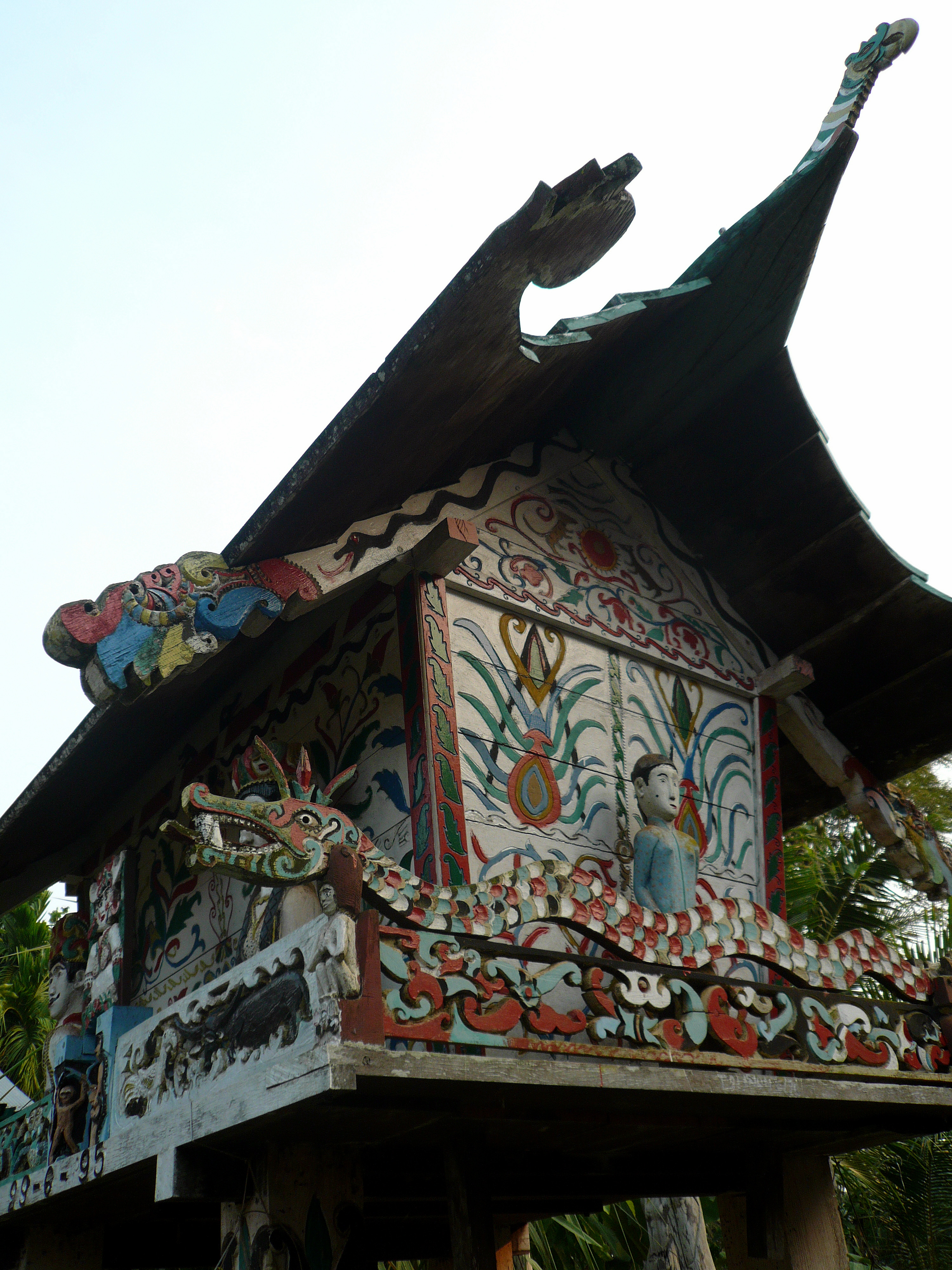

The betang is sensibly located above the river's course and close to a well-established village. One of the delights of staying here is to set off on exploring strolls around the village to find the many examples of carvings created to honour the ancestors who are interred in the magnificent raised bonehouses or ossuaries. The totem poles may depict the departed souls and events in their lifetime. Some illustrate the manner of passing, but all are decorated in highly ritualised symbols and colours. Hornbills are the vehicles for the souls as they travel to heaven and the ferocious beasts keep away troublesome spirits.


The betang itself, although imposing, with beautiful carved posts and elaborate stair access, is simple inside with spaces provided for gatherings and with memorabilia lining the walls. Photos of ancestors and the extended family are fascinating to see. Guests rooms line the side of the meeting area. Meals are served on the balcony or inside a smaller family gathering space. Traditional instruments, the array of gongs, and beaded cloth worked by the inhabitants hang on the walls. Rattan baskets for gathering jungle foods and the traditional long machete or pisau also hang there, ready for the next foray into the forest, to trim the prickly rattan vines or dig up some wild tapioca bulbs.


Village strolls and walks to the nearby ladangs or family cropping areas yield so many interesting sights and meetings. The village shops line the high street with a few simple eating houses. Passers by have a ready smile. After the shops, houses line the river bank, and interspersed with those are the bonehouses.
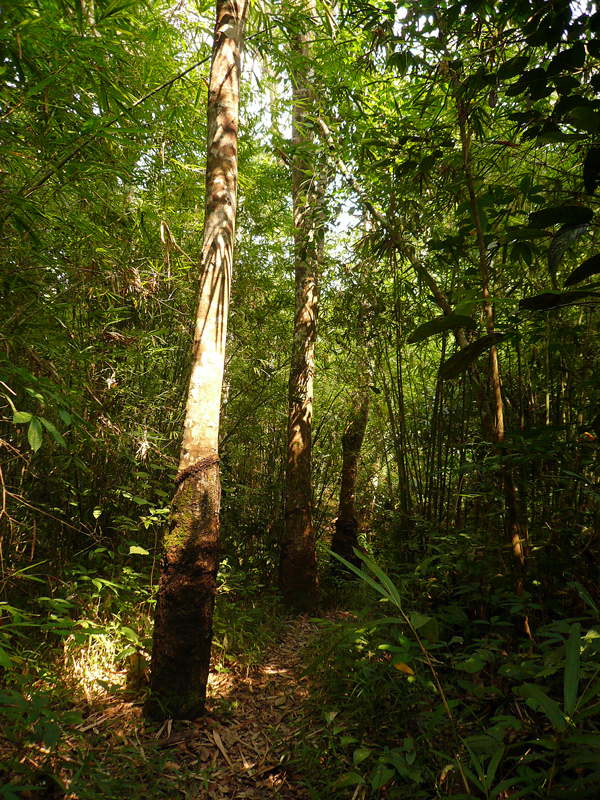


All remaining occupied longhouses are distant from the city, and only accessibe along bumpy roads and swift rivers. Not for the faint-hearted or luxury lovers, these places are closest to the real life of the longhouse. Every year, communications improve, the adjacent forestry company expands and fells more timber, and the modern world encroaches further.

But the passion of the dancers remains!


Tuesday, May 11, 2021

The Garden on Kahayan

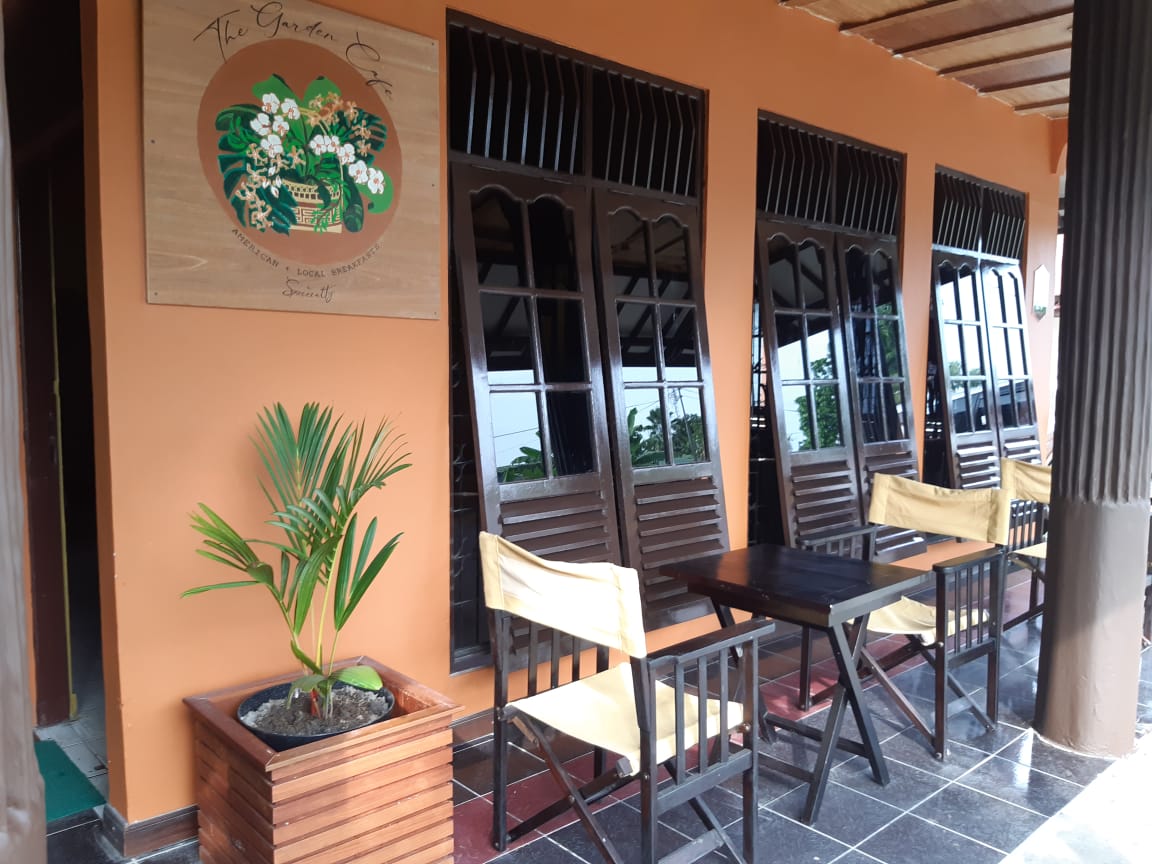
Opening early for breakfast, come and sit in our delightful and central Garden Cafe on Kahayan for an American style bagel breakfast, all baked in house. We're open through lunch as well. Enjoy our comfortable outdoor area under the trees or inside on the sofas. Meeting rooms make this a perfect setting for small group meetings. Check out our Menu below. We also sell some of the amazing plants we have in The Garden. Great food, great ambiance, great drinks!


Monday, December 7, 2020

Mangkok & the Sebangau National Park


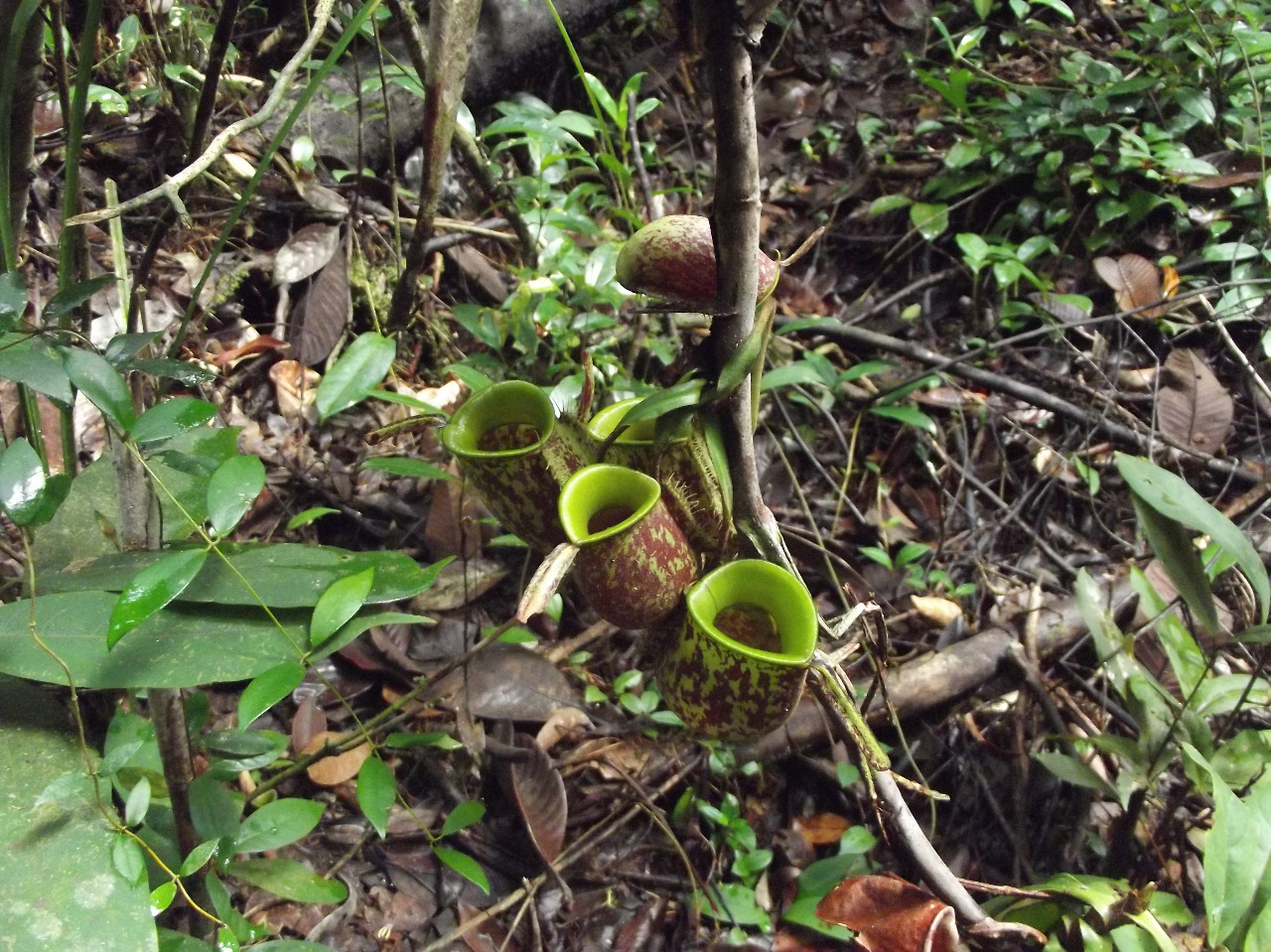
Accessing this relatively recently declared wild orangutan National Park, although close to the provincial capital of Palangka Raya, is a challenge through the dense and peaty forest, however, the rewards may be high. Sightings of shy wild orangutans, colourful birds, amazing black water reflections on the lakes and the unusual vegetation are likely. Entering the area along the Lempanen Canal, cutting through the emerald green forest, is a trip by local canoe that will take about 1.5 hours. We work with local villagers to provide this service. Stroll along the boardwalks at the information centre, or else jump off and take an adventurous trek through the forest.
Borneo Beckons! Join us on Wow Borneo Orangutan and Dayak Village Cruises for this experience.


Monday, September 30, 2019

Katingan traditional communities

Easily accessible from Palangka Raya, many of the communities on the upper Katingan River adhere to the ancient Kaharingan religion, described by the legendary Birute Galdikas ... 'Kaharingan is an ancient animistic religion which has a deep philosophical cosmology but acknowledges the supremacy of nature ... the word Kaharingan originates from a species of fig tree, whose deep roots and enormous branches represent the tree of life, similar to the tree where Buddha found enlightenment ... the heart of Kaharingan is the concept of a parallel universe, one a mirror image .... which exists in the here and now, accessible by dreams and shamans ... in Dayak culture, death is an integral part of life ... indeed more real than life'.


Dayak totem poles stand guard over the simple communal burial area


Rattan vines are collected and processed, employing local people in a successful small scale industry. Over the road, an enterprising local woman is weaving the dried and smoked vines into useful back packs for work in the ladangs, or rice paddies and family gardens.


Rattan is processed by hand in a series of steps designed to clean and dry the vines. Smoked with sulphur in simple stacks, each strand turns buttery yellow before being tied in bundles.


Each villager has a ladang here in a communal area, where they plant special dry rice


In this area, family mausoleums are shaped as a simple colourfully painted house. The funeral or tiwah in Kaharingan is possibly the most important ritual, where bones are disinterred, cleaned and placed in the bonehouses in long and elaborate ceremonies.


The communal ladang area is vast and needs some restoration. Dayaks are used to shifting cultivation in long cycles, preparing and burning new areas rather than sustaining the soil's fertility. The Government has built irrigation canals but some work remains to be done on making the system work


Rattan is woven into useful baskets, broad sun hats, mats and more. 


Carvings around the cemeteries are fascinating, even as they lose their colours and are weathered into artifacts with an ancient look about them. The hornbill plays a major symbolic role as a symbol of the other life, the link between the two worlds, always occupying the highest position.


'In spite of our Western cultural armor, after living in Kalimantan for any length of time, Kalimantan reality becomes your reality. You may not believe in spirits and spells, but you forced to acknowledge how much you cannot see and how much you cannot control.'


Sunday, December 3, 2017

Orangutan islands with Wow Borneo


Orangutans! Cruises on board the Rahai'i Pangun on the Rungan River, away from the better known  tourist centre at Tanjung Puting National Park, provides an ideal opportunity to observe this beautiful and endangered species. Stay on a comfortable live aboard for a chance to enjoy the natural rhythms of forest river life. It is amazingly accessible by a short flight from Jakarta and only minutes to the boat on arrival for the trip of a lifetime.


Framed by the dense riverside vegetations, this group were observed by guests. These orangutans were rescued and rehabilitated through the Borneo Orangutan Survival Foundation (BOS) program and are on these river islands to adapt to a more independent life before being released into the wild.


As part of the agreed guidelines for observing these magnificent creatures in the last phase of their rehabilitation, we stay 15 meters distant, do nothing to disturb them, or feed them, and by remaining quiet and still. On the beautiful river, undisturbed by crowds, is the perfect place to see them in a natural setting.

Monday, October 9, 2017

The Tiwah season!

21-23 October is planned for a massive communal tiwah in the upper Rungan area in the longhouse village of Tumbang Malahoi and another in an adjacent village.


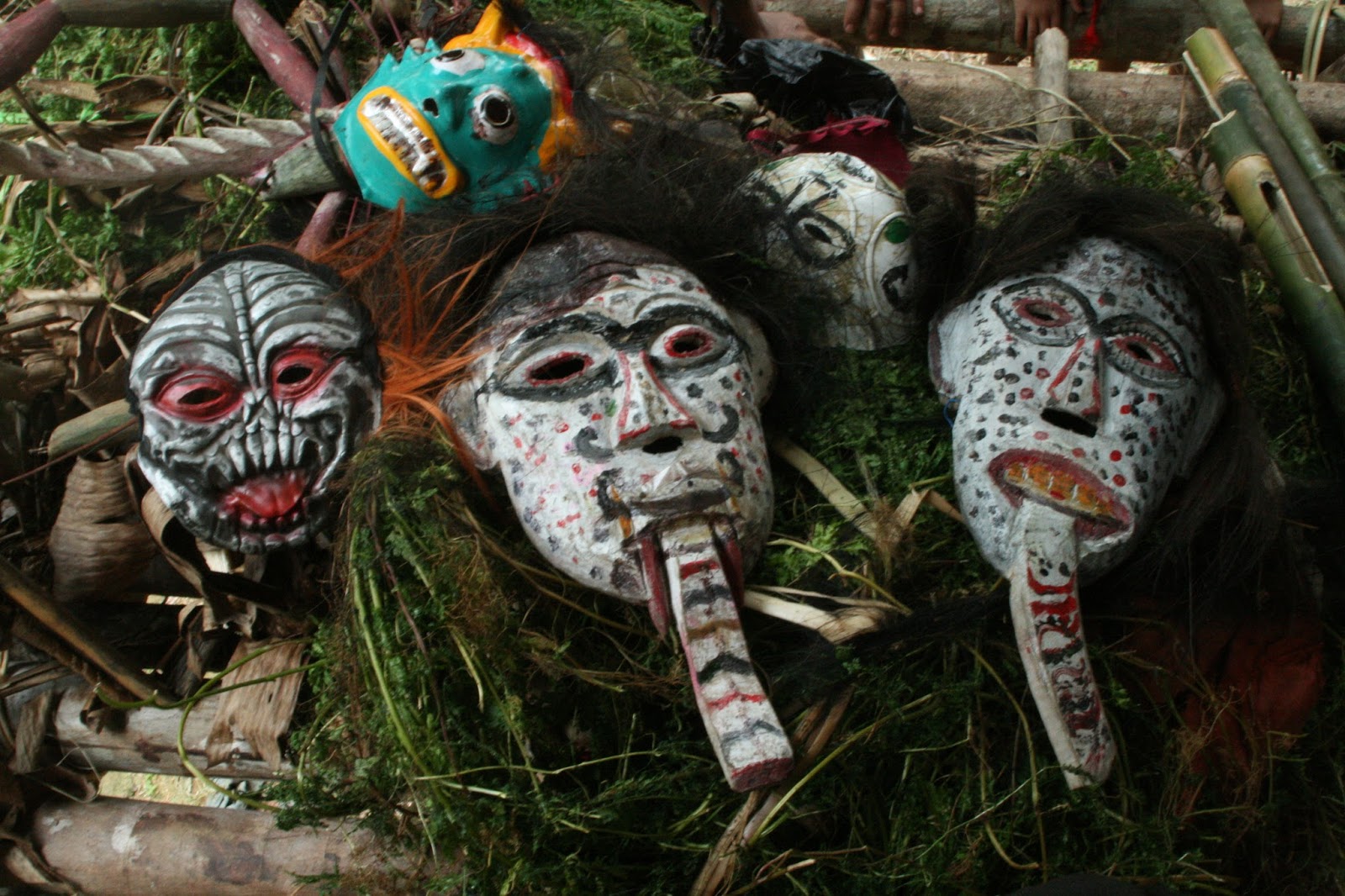
These sababuka or masked, anonymous village guardians are protecting the village of Tewang Rangas during its tiwah ritual last year. The colourful masks and imaginative costumes are part of many such rituals in Borneo in a variety of forms. I have seen guardians swathed in fresh lake weed, giants in colourful batiks and others with huge fierce masks. You could join us 21-23 October to experience the unique Rungan tradition.


Many of the activities will be centred around the traditional ironwood longhouse, where totem poles and a bone house or sandung, already stand. The ancestor bones are generally placed in family sandungs at the end of the ceremony, removed by families from the main site of the events to their own sandungs, sometimes overgrown with vegetation.


Our program will cover the 3 days, and will provide simple accommodation and food in the village. We will follow the activities as they unfold giving plenty of opportunities for learning about the meaning of each part of the ritual and for photographs. This will include animal sacrifices, communal cooking, shaman led ceremonies and parades.  Our normal village visit is covered at this link http://www.wowborneo.com/tours/longhouse-culture-and-trekking/dayak-cultural-and-longhouse-tour-malahoi-longhouse-3d2n/ and our special tiwah event will follow a similar overall time schedule. Get more information at info@wowborneo.com